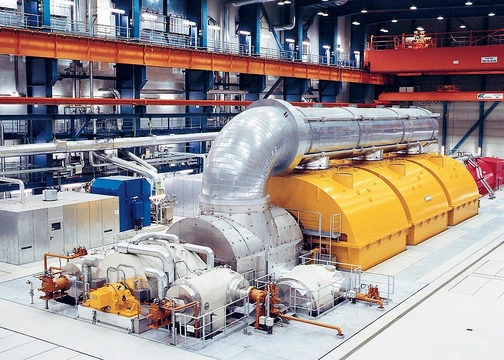
Coal-fired power station
Burns coal to generate electricity; major source of emissions.

ThomasYehYeh · CC BY-SA 4.0
A coal-fired power station is a thermal power station that burns coal to generate electricity. They produce about a third of the world's electricity but cause many illnesses and the most early deaths per unit of energy produced, mainly from air pollution. They are the largest single contributor to climate change, releasing approximately 12 billion tonnes of carbon dioxide annually, about one-fifth of global greenhouse gas emissions.
- type
- Thermal power station
- fuel
- Coal (pulverized or lignite)
- average_capacity
- 1 gigawatt per station
- electricity_share
- About one-third of world's electricity
- annual_co2_emissions
- Approximately 12 billion tonnes
- largest_generator
- China (over half of global coal-fired electricity)
Lore & Background
The first coal-fired power stations were built in the late 19th century and used reciprocating engines to generate direct current. Steam turbines allowed much larger plants in the early 20th century, and alternating current was used to serve wider areas. Coal is delivered by highway truck, rail, barge, collier ship, or coal slurry pipeline; some stations are built next to a mine and receive coal by conveyor belt or trucks.
Reader's Guide
Coal-fired power stations have been central to global electricity generation for over a century, but their environmental and health costs are severe. They cause the most early deaths per unit of energy produced, mainly from air pollution, and are the largest single contributor to climate change. Newer plants face the risk of becoming stranded assets, particularly in Southeast Asia.
Did You Know?
- Coal ash can contain arsenic, lead, mercury, and elevated levels of radioactivity.
- China accounts for over half of global coal-fired electricity generation.
Global Footprint and Energy Dominance
Coal-fired power stations represent one of the most widespread forms of electricity generation on Earth. China dominates this landscape, responsible for more than half of the world's coal-generated electricity. This geographic split means the technology's trajectory is being shaped simultaneously by two very different economic and regulatory environments, with one hemisphere phasing out capacity while the other is still building new units at a rapid pace.
Environmental Toll and Economic Externalities
Coal-fired power stations stand as the single largest contributor to climate change among all energy sources, releasing roughly 12 billion tonnes of carbon dioxide into the atmosphere each year. That figure represents about one-fifth of all global greenhouse gas emissions, making these plants a central focus of international climate policy. Beyond carbon, the health consequences are severe: coal generation causes the highest number of early deaths per unit of energy produced of any fuel, driven primarily by air pollution. Yet the economic picture is distorted. Many plants remain profitable not because their true costs are reflected in electricity prices, but because the health and environmental damage they inflict are externalized. This creates a paradox for newer facilities, particularly in Southeast Asia, which is experiencing some of the world's fastest growth in coal capacity. These plants face the very real risk of becoming stranded assets—expensive infrastructure that can no longer operate profitably under tightening regulations.
The Energy Conversion Chain
At its core, a coal-fired power station is a sophisticated energy conversion machine. The process begins with chemical energy locked in the molecular structure of coal. In most modern plants, this coal is first pulverized to a fine, talcum-powder consistency by dedicated mills, then mixed with preheated primary combustion air and transported to a boiler furnace. There, the fuel ignites, releasing thermal energy that converts water in the boiler into high-pressure steam. This steam drives turbines, transforming thermal energy into mechanical rotation, which in turn spins electrical generators to produce the final output: electricity.
The Logistics of Fuel Delivery
Feeding a coal plant at full capacity is a massive logistical operation. A large plant under full load needs at least one such delivery every day, and during peak summer or winter months, three to five trains may arrive daily. Modern rotary dump unloaders clamp each car, swivel it upside down, and release the coal into a hopper—all while the cars remain coupled—completing a full train in about three hours. In calmer inland waters, unpowered barges towed by tugboats serve the same purpose. Some plants sit directly beside open-pit lignite mines, receiving coal via conveyor belts or massive diesel-electric trucks, since that lower-grade fuel is not worth long-distance transport.
Gallery
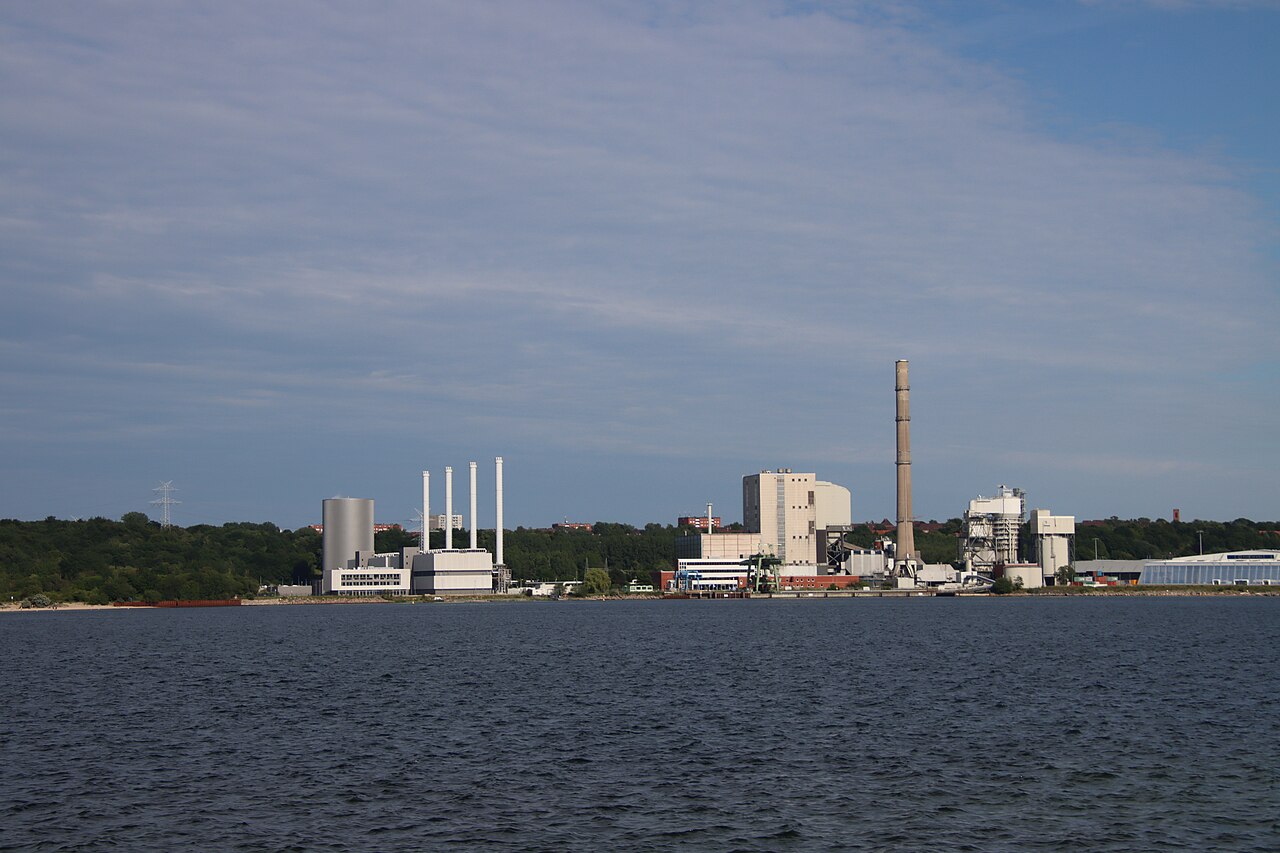

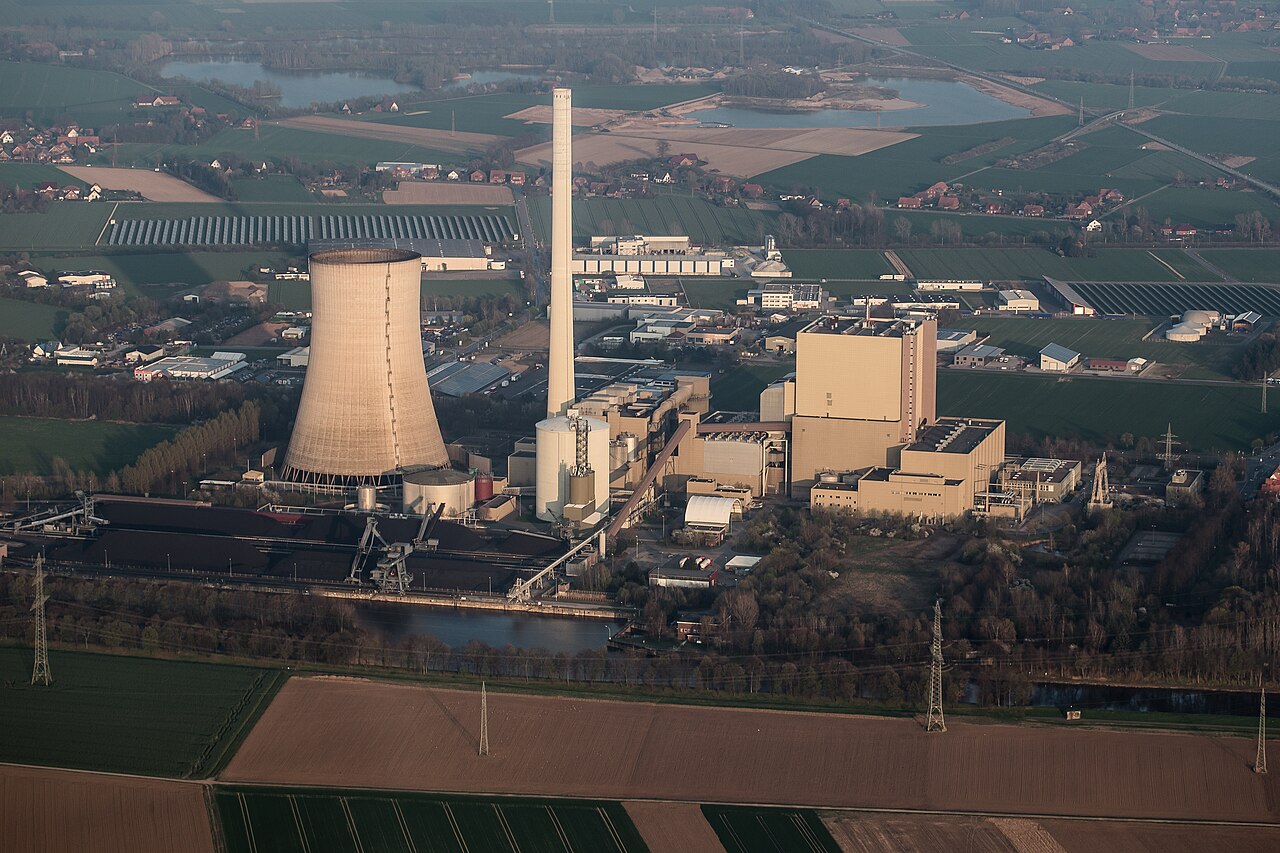

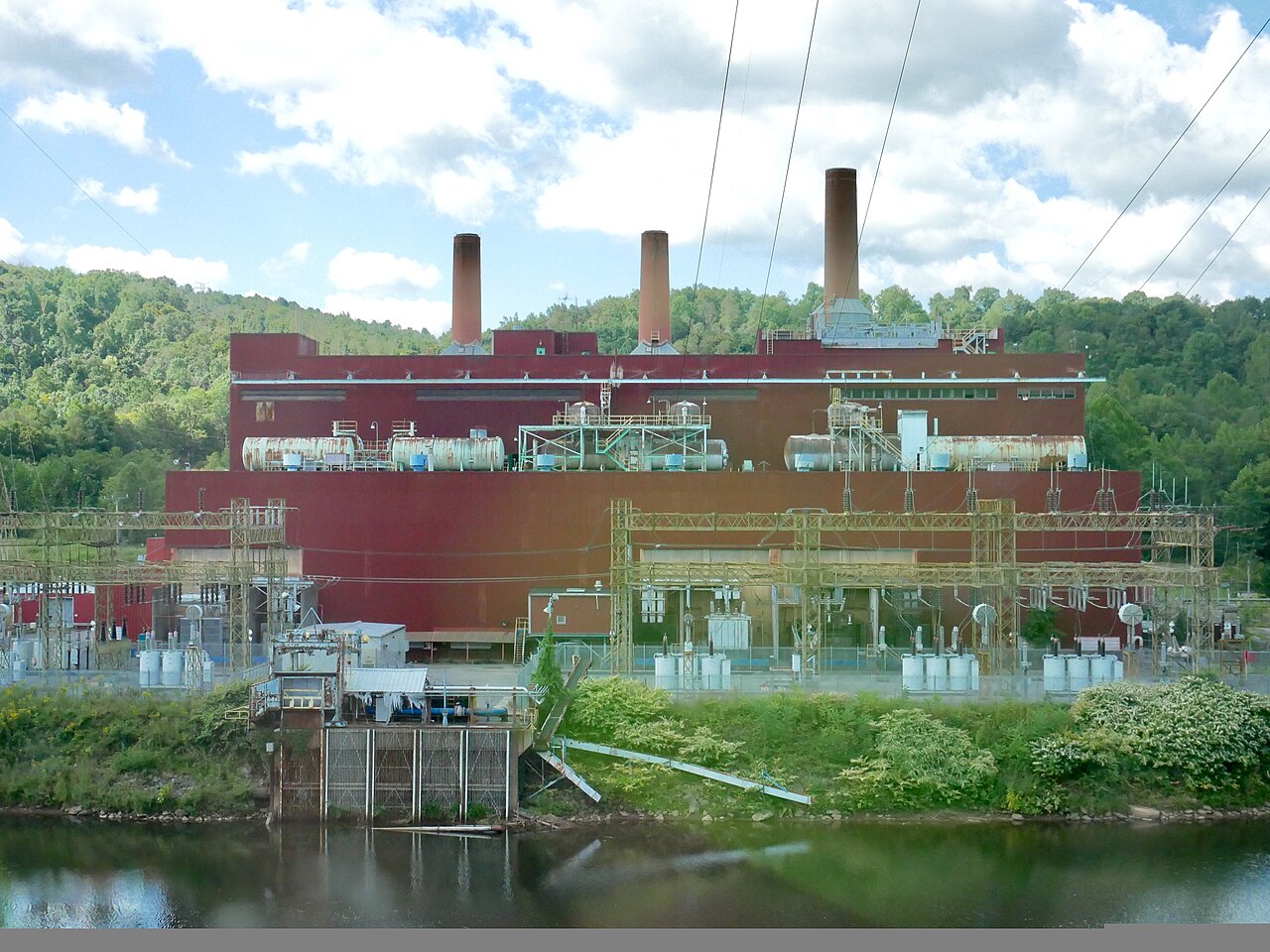
Frequently Asked Questions
What are Coal-fired power station's powers and role?
Its core function is converting the chemical energy locked in coal into usable electrical power, and it currently delivers about one-third of all electricity generated on the planet. It is also the single largest driver of climate change, emitting roughly 12 billion tonnes of CO2 per year.
How does Coal-fired power station's story end?
The canon does not chart a fixed finale, but its arc is increasingly defined by its status as the top source of greenhouse gas emissions and the power source linked to the highest rate of early deaths per unit of energy from air pollution. Growing pressure from cleaner alternatives is steadily narrowing its role.
Why is Coal-fired power station important?
It is central to the global energy picture because it supplies approximately one-third of all electricity produced worldwide. Its environmental footprint is equally significant, accounting for about one-fifth of total global greenhouse gas emissions.
What is Coal-fired power station's biggest weakness?
Its most glaring flaw is the severe air pollution it releases, which causes more illnesses and premature deaths per unit of energy than any other generation method. That health burden, stacked on top of its dominant CO2 output, makes it the most environmentally damaging entry in the Power Generation roster.
More in Power Generation 1-20
Spotted an error? Know more?
This is a living reference — every entry is fact-audited, and reader corrections feed straight into our audit queue. Suggest an edit · See this site's audit record