Electricity generation
Conversion of primary energy into electric power for end use.

RCraig09 · CC BY-SA 4.0
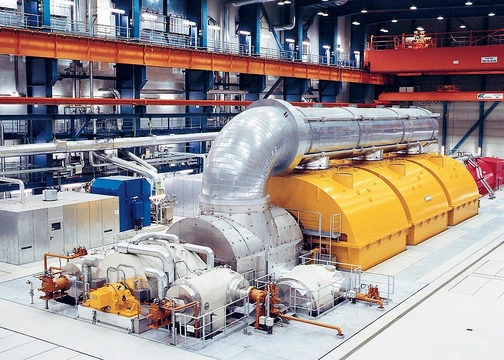
Electricity generation is the process of generating electric power from sources of primary energy. For utilities in the electric power industry, it is the stage prior to delivery to end users or storage. Consumable electricity is not freely available in nature, so it must be produced by transforming other forms of energy. Production is carried out in power stations, also called power plants, most often by electromechanical generators driven by heat engines, flowing water, wind, solar photovoltaics, or geothermal power.
- field
- Energy production
- known_for
- Fundamental process of converting primary energy into electric power
- key_discovery
- Electromagnetic induction by Michael Faraday in the 1820s and early 1830s
- first_central_station
- Pearl Street Station, New York, 1882
- major_contributors
- Thomas Alva Edison and Nikola Tesla
Lore & Background
The fundamental principles of electricity generation were discovered in the 1820s and early 1830s by British scientist Michael Faraday. His method, still used today, involves generating electricity by moving a loop of wire or a Faraday disc between the poles of a magnet. Commercial electricity production began with coupling a dynamo to a hydraulic turbine, and the mechanical production of electric power started the Second Industrial Revolution. Previously, the only way to produce electricity was by chemical reactions or battery cells, and the only practical use was for the telegraph. Central power stations became economically practical with the development of alternating current power transmission using transformers. The first such station started in 1882, when a steam engine driving a dynamo at Pearl Street Station produced a DC current that powered public lighting on Pearl Street, New York. The new technology was quickly adopted by many cities, which adapted their gas-fueled street lights to electric power. Electric lights were soon used in public buildings, businesses, and to power public transport such as trams and trains. Throughout the middle of the 20th century, utilities began merging distribution networks for economic and efficiency benefits. With long-distance power transmission, coordination of power plants formed, secured by regional system operators. Electrification of homes began in Northern Europe and Northern America in the 1920s in large cities, but rural areas did not see large-scale electrification until the 1930s.
Reader's Guide
Electricity generation is the cornerstone of modern industrial society, enabling virtually all electrical devices and infrastructure. The process, rooted in Faraday's discovery of electromagnetic induction, has evolved from small DC stations to vast interconnected grids powered by diverse sources including coal, nuclear, natural gas, hydroelectric, wind, solar, and geothermal. The shift from isolated producers to centralized utilities and later to regional system operators has dramatically improved reliability and efficiency. Today, the global electricity supply is approaching peak CO2 emissions due to the growth of solar and wind power, making the phasing out of coal and gas-fired stations critical for limiting climate change. The economics of generation vary by region and demand, with base load often supplied by nuclear, coal, oil, gas, or some hydro plants. The photovoltaic industry has grown spectacularly since the 1990s, and electrochemical generation remains important for portable applications. The legacy of electricity generation is its role in the Second Industrial Revolution and its ongoing transformation toward lower-carbon sources.
Did You Know?
- The fundamental principles of electricity generation were discovered by Michael Faraday in the 1820s and early 1830s.
- The first central power station began operation in 1882 at Pearl Street Station in New York, powering public lighting.
- Electricity generation is most often done by electromechanical generators driven by heat engines, flowing water, or wind.
- In 2023, the global electricity supply was approaching peak CO2 emissions due to the growth of solar and wind power.
The Physics Behind the Plug
Electricity does not exist in a ready-to-use form anywhere in nature, so every kilowatt-hour that reaches a household or factory must be deliberately manufactured by converting some other energy source into electrical power. This conversion takes place inside power stations—commonly called power plants—where the dominant mechanism is the electromagnetic generator. A generator works on the principle first demonstrated by Michael Faraday: when a loop of conducting wire moves between the poles of a magnet, an electric current is induced. In commercial practice, that motion is supplied by a heat engine burning fossil fuel or splitting uranium atoms, by the kinetic force of falling water or spinning wind, or, in the case of photovoltaic panels, by photons striking semiconductor material. Geothermal heat and even tidal forces are tapped in similar ways. At the speculative frontier, researchers explore fusion reactor concepts that would harvest energy directly from the intense magnetic fields produced by fast-moving charged particles, a field sometimes linked to magnetohydrodynamics. A handful of niche technologies—piezoelectric, thermoelectric, triboelectric, and betavoltaic devices—also generate small amounts of electricity for specialized applications, while batteries supply a modest share of utility-distributed power.
From Faraday's Lab to Pearl Street
The theoretical groundwork for all modern electricity generation was laid in the 1820s and early 1830s by the British scientist Michael Faraday, who showed that moving a wire loop between magnetic poles could produce a current. For decades, the only practical uses of electricity were chemical batteries powering the telegraph. The breakthrough that changed everything came when the dynamo was coupled to a hydraulic turbine, making mechanical power generation possible and igniting what historians call the Second Industrial Revolution. Thomas Edison and Nikola Tesla were among the principal figures who translated that potential into commercial reality. In 1882, a steam engine turning a dynamo at Pearl Street Station fed direct current into the first central power station, lighting the streets of Manhattan. The introduction of the incandescent light bulb in the 1880s—most famously associated with Edison and Joseph Swan—sent public demand soaring. Cities around the world quickly swapped their gas-lit streets for electric ones, and within a few years electric power was illuminating public buildings, driving trams and trains, and entering the commercial sector. The development of alternating-current transmission with high-voltage transformers then made it economically viable to build large, centralized plants far from the consumers they served.
Building the Grid: Electrification and Consolidation
Once electric lighting proved its worth, the demand for power in homes and businesses grew so rapidly that entrepreneurs saw a clear profit opportunity and began investing in dedicated electrical systems. The earliest distribution model was fragmented: independent companies each owned their own generation assets and their own local power grid, and a consumer simply bought electricity from whichever producer operated in their neighborhood. The invention of the steam turbine was a game-changer for both the efficiency and the economics of generation, converting heat energy into mechanical work at a scale far beyond what earlier steam engines could achieve. These large-scale plants became the backbone of centralized generation. By the middle of the twentieth century, the economic and efficiency advantages of scale led many utilities to merge their separate distribution networks. Long-distance power transmission technology allowed plants in one region to feed loads in another, and the coordination of multiple power plants under regional system operators became essential for maintaining grid stability and reliability. In Northern Europe and North America, large cities and urban areas were electrified in the 1920s, while rural communities did not see widespread access to electricity until the 1930s.
The Climate Imperative and a Shifting Mix
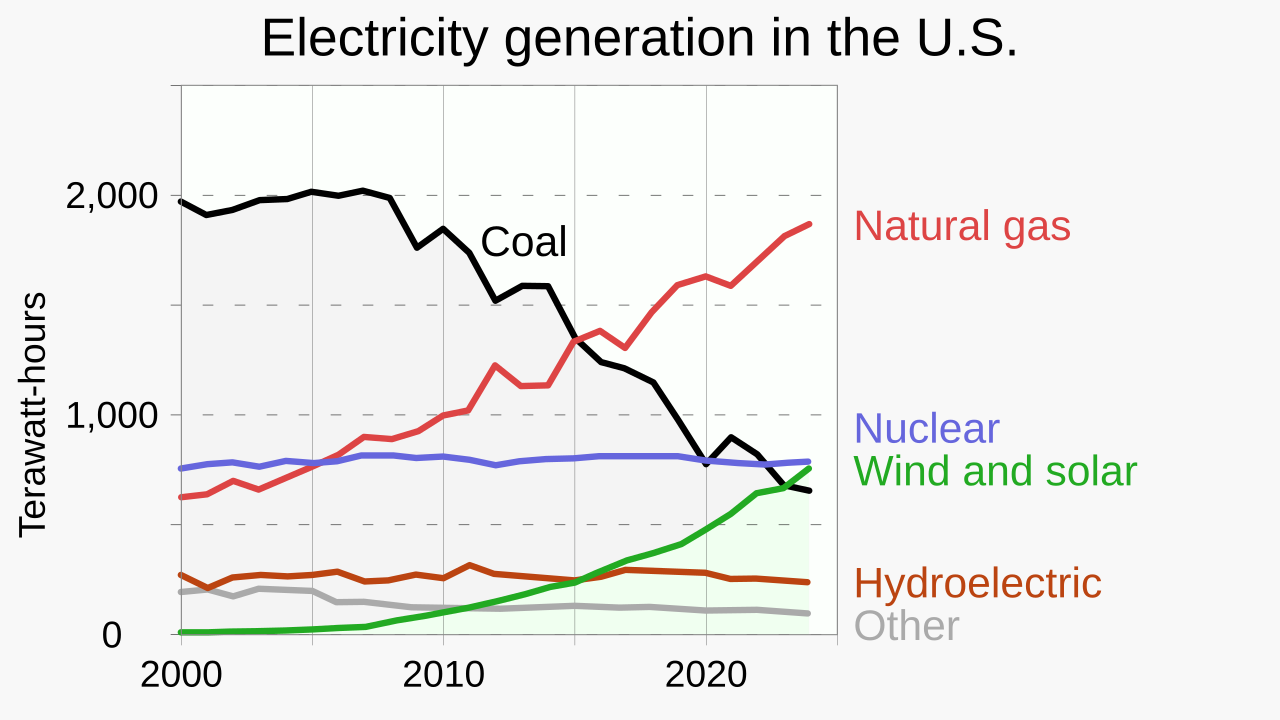
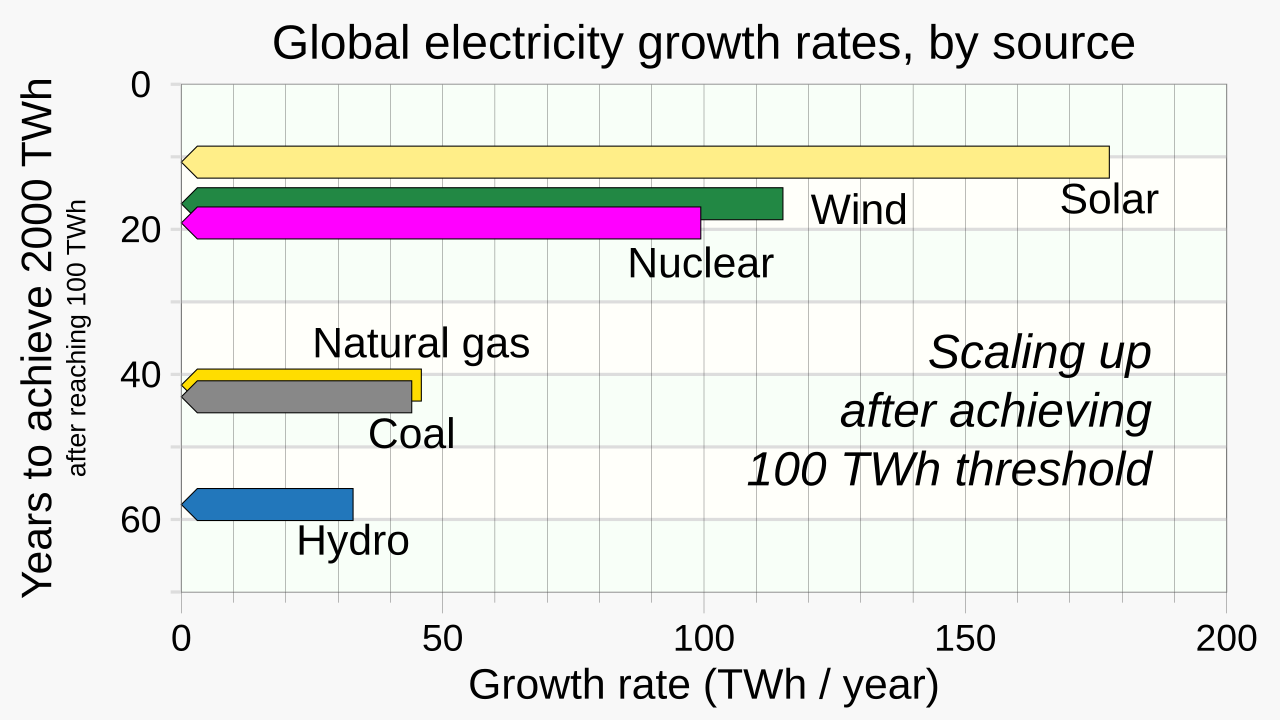
The global electricity system is now at a crossroads driven by the urgent need to limit climate change. Phasing out coal-fired power stations—and eventually gas-fired ones, or at minimum capturing their greenhouse-gas emissions—has become a central pillar of the broader energy transformation. Forecasters project that vastly more solar and wind capacity will be required in the coming decades, not only to replace fossil fuels but also to meet a surging demand that will accompany the further electrification of transport, homes, and industry. Encouragingly, a 2023 report indicated that the world's electricity supply was approaching peak carbon-dioxide emissions, a milestone attributed largely to the rapid growth of solar and wind generation. This shift does not mean the old technologies will vanish overnight; coal, natural gas, nuclear, hydroelectric, oil, tidal, and geothermal sources all still play roles in today's mix. Yet the trajectory is unmistakable: the generation landscape that once depended almost entirely on combustion is being reshaped by renewable sources, and the pace of that reshaping will determine whether the electricity sector can meet both growing demand and the climate targets the world has set.
Gallery
Frequently Asked Questions
Who is Electricity generation?
Electricity generation is the core process that takes raw primary energy—whether from fuel, water, wind, sunlight, or the earth's heat—and transforms it into usable electric power. It sits at the heart of the entire energy supply chain, acting as the bridge between natural resources and the outlets in our homes.
What are Electricity generation's powers/role?
Its primary role is to convert one form of energy into electrical energy, typically inside power plants using generators, turbines, or photovoltaic cells. It is the essential middle step between raw energy sources and the final delivery of power to consumers or storage systems.
How does Electricity generation's story end?
Electricity generation doesn't have a traditional ending because it is a continuous, ongoing process rather than a narrative arc. It persists as long as civilization demands electrical power, evolving with new technologies while fulfilling the same fundamental conversion function.
Why is Electricity generation important?
Because usable electricity does not exist freely in the natural world, this process is the only way humanity can access and harness electrical energy at scale. Without it, virtually every modern technology—from lighting to healthcare to transportation—would be impossible.
What's the origin story of Electricity generation?
The scientific foundation was laid by Michael Faraday's discovery of electromagnetic induction in the 1820s and 1830s, which made practical power conversion possible. The first central power station, Pearl Street Station in New York, began operating in 1882, with major contributions from both Thomas Edison and Nikola Tesla shaping the industry's early direction.
More in Power Generation 1-20
Spotted an error? Know more?
This is a living reference — every entry is fact-audited, and reader corrections feed straight into our audit queue. Suggest an edit · See this site's audit record