Concentrated solar power
CSP uses mirrors to concentrate sunlight for heat and electricity.

Martin Brown · Public domain
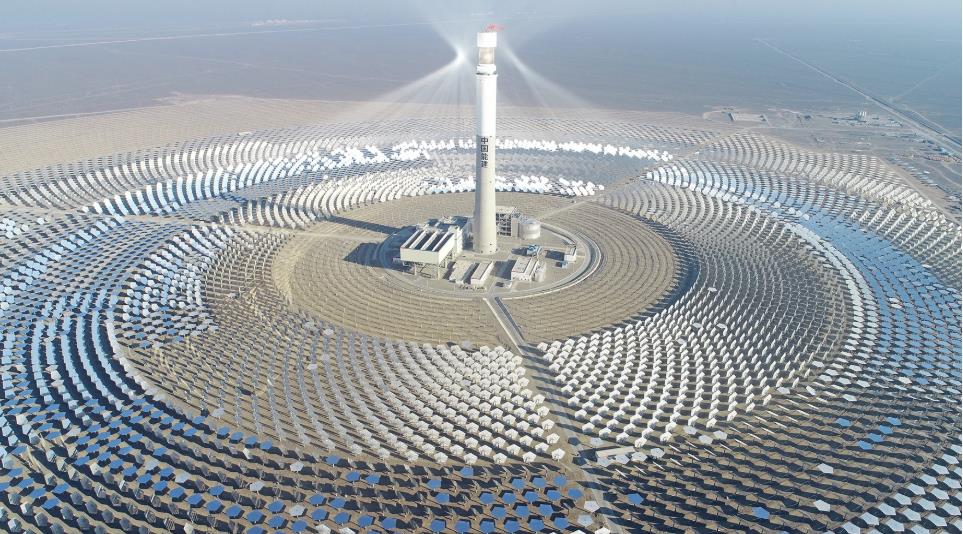
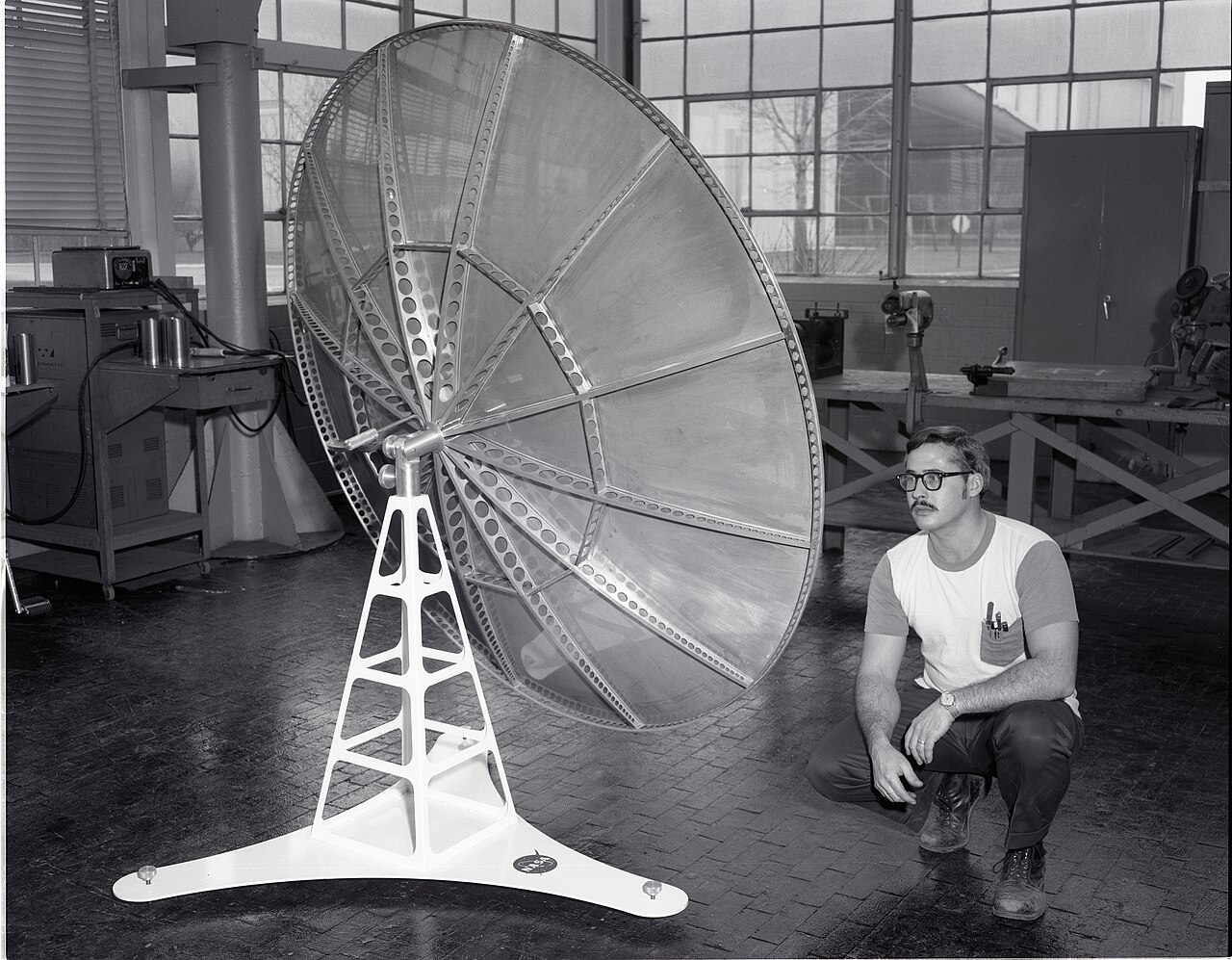
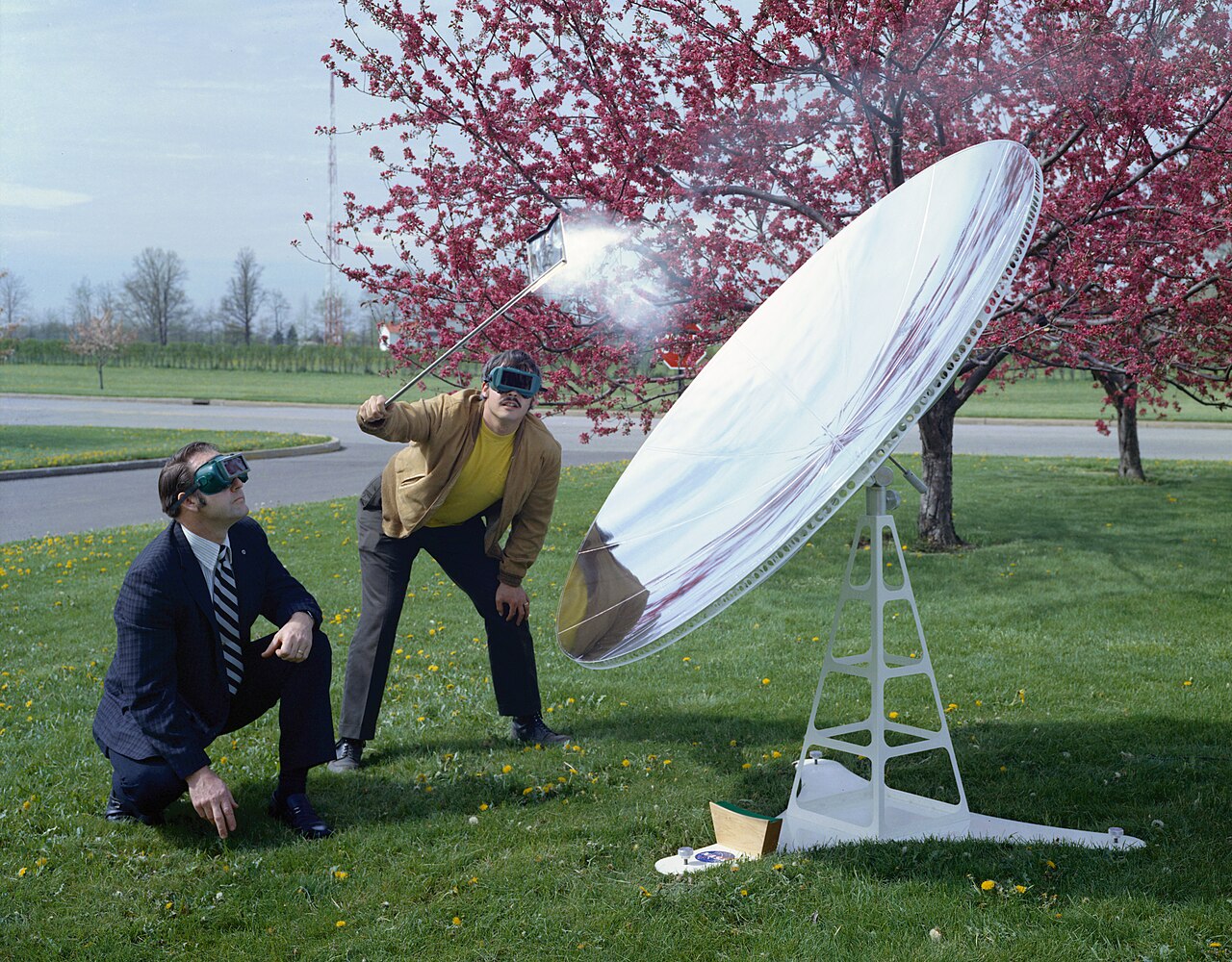
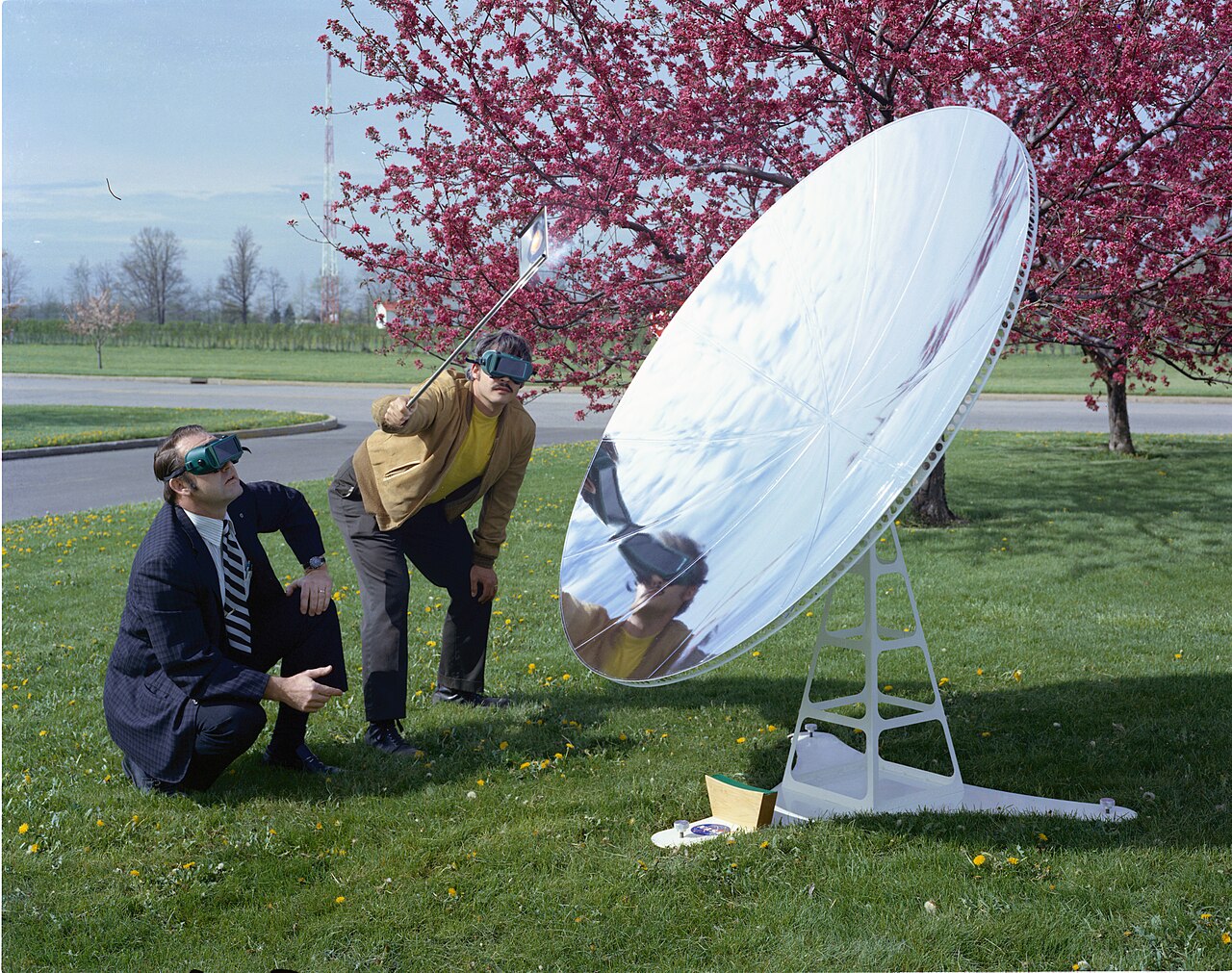
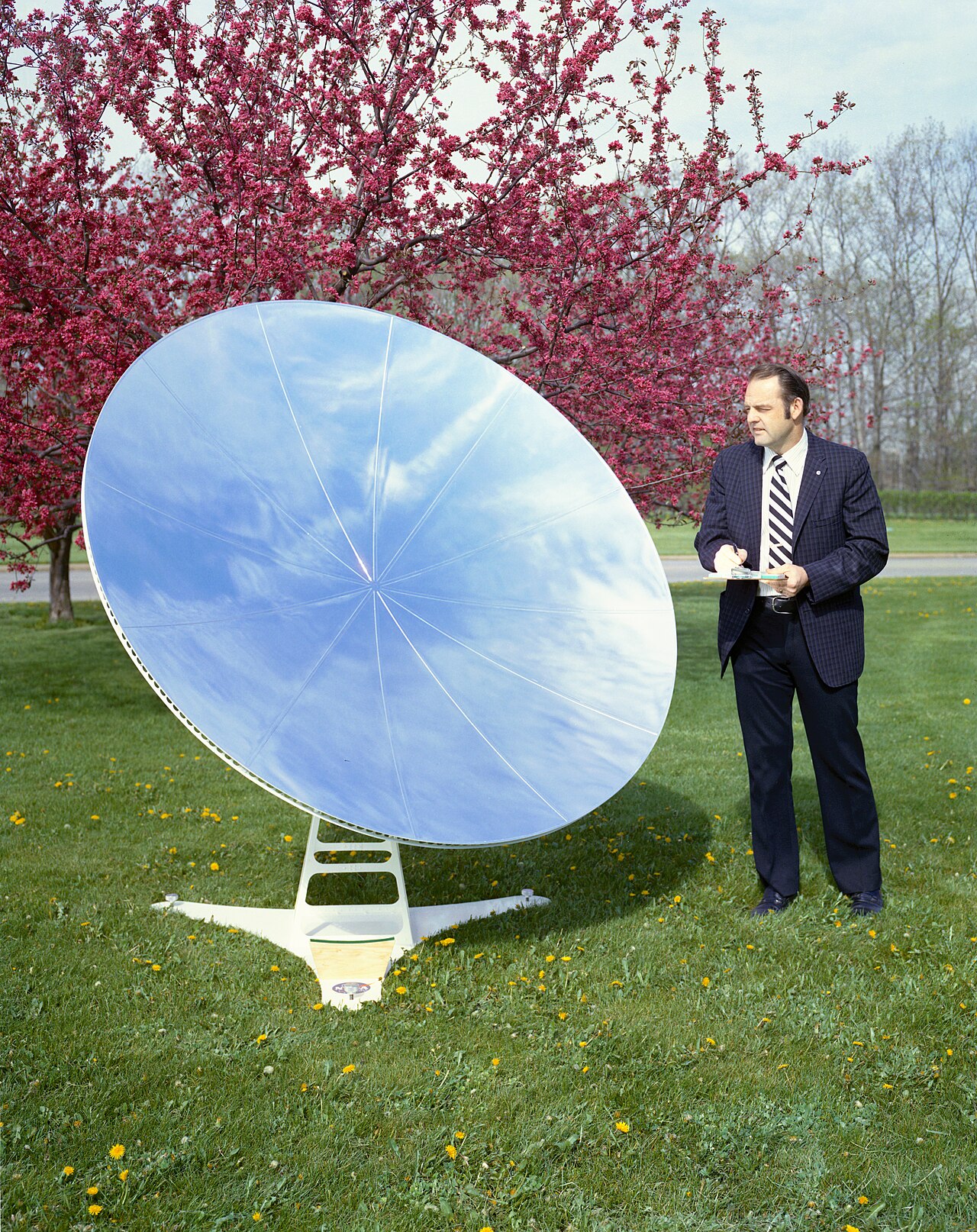
Concentrated solar power (CSP), also called concentrating solar power or concentrated solar thermal, is a technology that uses mirrors to concentrate sunlight onto a receiver to generate heat. This heat can be used for cooking, desalination, or electricity generation by driving a heat engine such as a Stirling engine or steam turbine. CSP is notable for its ability to incorporate thermal energy storage, allowing it to produce electricity at night and function as a dispatchable form of solar energy.
- global installed capacity (2021)
- 6.8 GW
- global installed capacity (2023)
- 8.1 GW
- operational capacity (NREL, 2023)
- 6.6 GW
- capacity under construction (2023)
- 1.5 GW
- lowest CSP price record (2017)
- US$73 per MWh (DEWA project, Dubai)
- base-load CSP tariff (Chile, 2017)
- below $50/MWh
Lore & Background
Ioannis Sakkas tested this with nearly 60 Greek sailors holding mirrors, successfully setting a tar-covered plywood silhouette on fire, though historians continue to doubt the story. The Gemasolar Thermosolar Plant in Spain, based on Solar Two, paved the way for further power tower plants.
Reader's Guide
Concentrated solar power is significant as a dispatchable renewable energy source, capable of storing thermal energy to generate electricity day or night. This makes it particularly valuable in regions with high photovoltaic penetration, such as California, where demand peaks near sunset—a phenomenon known as the duck curve. CSP competes with natural gas and battery-storage-backed photovoltaics for flexible, dispatchable power. As of 2023, global CSP capacity reached 8.1 GW, with projects under construction in China and Dubai. The technology uses four optical types: parabolic trough, dish, concentrating linear Fresnel reflector, and solar power tower. CSP's legacy includes early innovations by figures like Auguste Mouchout, Frank Shuman, and Professor Giovanni Francia, and its ongoing evolution aims to improve cost-effectiveness.
Did You Know?
- CSP can store energy as sensible or latent heat, for example using molten salt, enabling electricity generation at night.
The Thermal Engine at the Heart of CSP
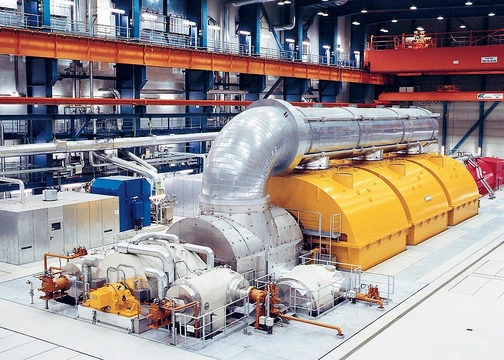
Concentrated solar power works by directing a broad field of sunlight through mirrors onto a central receiver, where the concentrated light is transformed into intense heat. That thermal energy then drives a mechanical engine—either a Stirling engine or a steam turbine of the kind found in conventional fossil-fuel stations—to spin a generator and produce electricity. In some configurations the heat instead powers a thermochemical reaction. The same concentrating principle can also serve non-electric needs such as cooking or desalination. What sets CSP apart from photovoltaic panels is that the captured energy is stored as heat rather than as electrons, and that heat can be banked. By pairing the system with thermal storage—whether sensible heat or latent heat in a medium like molten salt—a CSP plant can keep generating power long after sunset. This dispatchability is the technology's defining advantage: it behaves more like a conventional thermal power station than like a weather-dependent panel array, capable of matching demand whenever it peaks, day or night.
The Dispatchability Gap and the Duck Curve
In regions where photovoltaic capacity has grown rapidly—California is a prime example—electricity demand tends to peak near sunset, precisely when PV output is declining. This mismatch, known as the duck curve, creates a structural vulnerability that dispatchable sources can fill. CSP, with its built-in thermal storage, slots naturally into that role, continuing to supply power through the evening and into the night. Yet the scale gap is stark: as of 2022, global PV nameplate capacity stood at roughly one terawatt, while CSP accounted for less than one percent of that, at just 6.8 gigawatts. By 2023 the CSP total had edged up to 8.1 GW, aided by three new projects under construction in China and Dubai. The NREL global database lists 6.6 GW operational and another 1.5 GW in the pipeline.
Design Diversity and the Commercial Rollercoaster
Most CSP plants worldwide rely on the parabolic trough design, though power towers and linear Fresnel reflectors also appear. The commercial history has been anything but smooth. The Ivanpah facility in California, built around the same period as Gemasolar, notably omitted thermal storage and instead relied on natural gas to preheat water each morning.
Gallery
Frequently Asked Questions
Who is Concentrated solar power?
Concentrated solar power is a thermal-solar technology that uses arrays of mirrors to focus sunlight onto a receiver, generating intense heat that can be converted into electricity via a steam turbine or Stirling engine. It is also known as concentrating solar thermal and is a distinct branch of solar energy separate from flat photovoltaic panels.
What are Concentrated solar power's signature powers?
Its defining superpower is thermal energy storage, which lets it keep producing electricity well after sunset and act as a dispatchable power source rather than a purely intermittent one. The concentrated heat can also be tapped for non-electric applications such as desalination, industrial process heat, or even cooking.
How does Concentrated solar power's story end (as of 2023)?
By 2023 the technology reached roughly 8.1 GW of global installed capacity, with NREL reporting 6.6 GW actually operational and an additional 1.5 GW under construction. It remains a specialized, mid-scale segment of the solar market rather than the volume leader that photovoltaics has become.
More in Power Generation 1-20
Spotted an error? Know more?
This is a living reference — every entry is fact-audited, and reader corrections feed straight into our audit queue. Suggest an edit · See this site's audit record