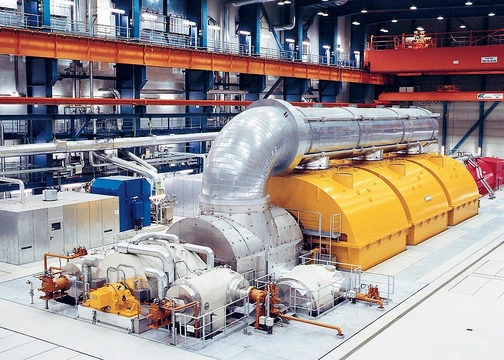
Geothermal power
Renewable electricity from Earth's internal heat.

Geothermal power is electrical power generated from geothermal energy. Technologies in use include dry steam power stations, flash steam power stations and binary cycle power stations. Geothermal electricity generation is currently used in 26 countries, while geothermal heating is in use in 70 countries. Geothermal power is considered to be a sustainable, renewable source of energy because the heat extraction is small compared with the Earth's heat content.
- Global capacity (2019)
- 15.4 GW
- Largest national potential
- Indonesia, estimated 29 GW
- Countries with >15% geothermal electrici
- El Salvador, Kenya, Philippines, Iceland, New Zealand, Costa Rica
- Global average capacity factor (2008)
- 74.5%
- Greenhouse gas emissions
- 45 g CO2 per kWh (less than 5% of coal)
Lore & Background
In the 20th century, demand for electricity led to the consideration of geothermal power as a generating source.
Reader's Guide
Its significance lies in its sustainability and low greenhouse gas emissions—averaging 45 grams of CO2 per kWh, less than 5% of conventional coal-fired plants. The Geothermal Energy Association estimates only 6.9% of total global potential has been tapped, while IPCC reports potential in the range of 35 GW to 2 TW. Enhanced geothermal systems, demonstrated in Germany and France, may expand geographical range, though earlier efforts in Basel, Switzerland were shut down after triggering earthquakes. Thermal efficiency is low (7–10%) due to low fluid temperatures, but capacity factors can reach 96%.
More in Power Generation 1-20
Spotted an error? Know more?
This is a living reference — every entry is fact-audited, and reader corrections feed straight into our audit queue. Suggest an edit · See this site's audit record