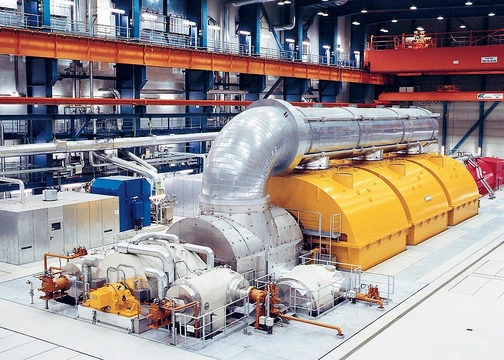
Hydropower
Hydropower uses falling or fast-running water to produce electricity or power machines.

Hydropower, also known as water power or water energy, is the use of falling or fast-running water to produce electricity or to power machines. It is a method of sustainable energy production that converts the gravitational potential or kinetic energy of a water source into power, now used principally for hydroelectric power generation and as part of pumped-storage hydroelectricity systems.
- field
- Energy production
- known_for
- Hydroelectric power generation and pumped-storage hydroelectricity
- type
- Sustainable energy method
- key_components
- Hydraulic head, volumetric flow rate, turbine efficiency
- applications
- Electricity generation, mechanical devices, compressed air production
Lore & Background
Since ancient times, hydropower from watermills has been used as a renewable energy source for irrigation and the operation of mechanical devices such as gristmills, sawmills, textile mills, trip hammers, dock cranes, domestic lifts, and ore mills. A trompe, which produces compressed air from falling water, is sometimes used to power other machinery at a distance. The power available from falling water can be calculated from the flow rate and density of water, the height of fall, and the local acceleration due to gravity, with efficiency accounted for by the turbine's performance.
Reader's Guide
International institutions such as the World Bank view hydropower as a low-carbon means for economic development. However, it has economic, sociological, and environmental downsides, including catastrophic dam failures, negative impacts on river ecosystems, habitat loss, greenhouse gas emissions from underwater rotting vegetation, and methane production equivalent to almost a billion tonnes of CO2 per year. Dams and reservoirs can prevent animal migration, cool and de-oxygenate water, and cause loss of nutrients. People living near hydro plant sites may be displaced during construction or when reservoir banks become unstable. The development of a hydropower site requires analysis of flow records spanning decades to assess reliable annual energy supply, and dam design must account for the probable maximum flood.
Did You Know?
- Hydropower does not directly produce carbon dioxide or other atmospheric pollutants.
- A trompe, which produces compressed air from falling water, is sometimes used to power other machinery at a distance.
- Hydropower produces methane equivalent to almost a billion tonnes of CO2 greenhouse gas a year.
More in Power Generation 1-20
Spotted an error? Know more?
This is a living reference — every entry is fact-audited, and reader corrections feed straight into our audit queue. Suggest an edit · See this site's audit record