Nuclear power
Nuclear reactions produce electricity via fission, decay, or fusion.

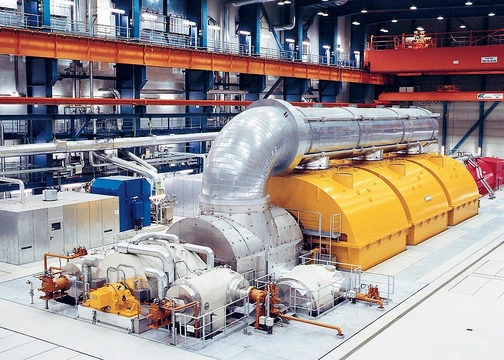
Nuclear power is the use of nuclear reactions to produce electricity. It can be obtained from nuclear fission, nuclear decay, and nuclear fusion reactions. Presently, the vast majority of electricity from nuclear power is produced by nuclear fission of uranium and plutonium in nuclear power plants. Nuclear power is a significant low-carbon energy source, supplying about 9% of global electricity in 2023, and has been a subject of both technological advancement and public controversy since its inception.
- average_global_capacity_factor
- 89%
Lore & Background
Most new reactors under construction are generation III reactors in Asia.
Reader's Guide
Nuclear power has played a pivotal role in electricity generation as a low-carbon source, second only to hydroelectricity among low-carbon power sources. It has resulted in one of the lowest levels of fatalities per unit of energy generated compared to other energy sources, with coal, petroleum, natural gas, and hydroelectricity each causing more fatalities per unit of energy due to air pollution and accidents. However, the radiological hazards associated with nuclear power are the primary motivations of the anti-nuclear movement, which cites potential accidents like the Fukushima nuclear disaster and argues that nuclear power is too expensive compared to alternative sustainable energy sources. Despite these challenges, nuclear power continues to be a significant part of the global energy mix, with the United States having the largest fleet of nuclear reactors.
More in Power Generation 1-20
Spotted an error? Know more?
This is a living reference — every entry is fact-audited, and reader corrections feed straight into our audit queue. Suggest an edit · See this site's audit record